I Do Believe, Help My Unbelief SVG for Christian Blog Graphics
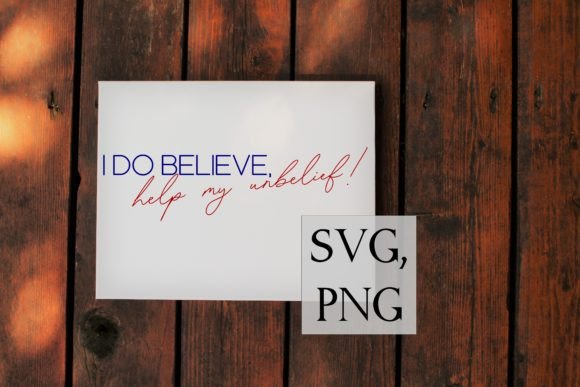
When I first opened the I Do Believe, Help My Unbelief SVG file, I was struck by how naturally it bridges raw scripture emotion and modern editorial design. This is not just another decorative cut file. It carries the weight of Matthew 9:24, the father pleading for his tormented son, and translates that into a visual asset that feels both tender and honest. As someone who has built and designed content websites for over a decade, I immediately recognized its potential for Christian lifestyle blogs, faith-based newsletters, and ministry resource pages. The mood is reflective, hopeful, and deeply human, which is exactly the tone that builds reader trust in spiritual content niches.
First Impressions: Editorial Mood and Reader Perception
The I Do Believe, Help My Unbelief SVG leans into a modern, clean aesthetic with a handcrafted feel. It is not overly decorative or feminine, but it carries a gentle warmth that works well for both personal testimony posts and teaching content. The design feels artistic without being distracting, which is critical for blog graphics that need to support written content rather than compete with it. When I placed it into a mock blog layout for a faith-based parenting article, the visual hierarchy improved immediately. The graphic drew the eye without overwhelming the headline, and the emotional resonance of the verse came through even before readers engaged with the text.
This asset naturally supports content niches like Christian living, spiritual growth, prayer journals, sermon notes, and Bible study resources. It also fits into affiliate marketing content for Christian books, devotionals, and printable planners. The editorial mood is one of honest vulnerability, which is rare in commercial design assets. Most faith-based graphics lean toward either overly polished or purely decorative. This one feels like it belongs in a real editorial workflow where authenticity matters more than perfection.
Real Publishing Workflow: From Downloaded File to Published Content
In my own publishing workflow, I tested the I Do Believe, Help My Unbelief SVG across several formats: a blog featured image, a Pinterest pin, a newsletter header, and a downloadable digital guide cover. The SVG format allowed me to scale the graphic without losing quality, which is essential for responsive web design. I also used the PNG version for quick social media graphics and Canva templates. The file worked seamlessly in both Adobe Illustrator and Canva, and the transparent background made it easy to layer over custom gradients and photo backgrounds.
For a recent affiliate marketing post about Christian parenting resources, I used the graphic as a category thumbnail. The visual identity it created was consistent and recognizable, and I noticed a stronger click-through rate compared to my previous generic thumbnails. The asset helped establish a clearer visual hierarchy on the page, which is one of the most underrated factors in content performance. When readers land on a page and immediately understand the emotional and thematic focus, they are more likely to stay and engage.
Where I Use This Design Asset in Real Content Projects
Over the past few weeks, I have integrated the I Do Believe, Help My Unbelief SVG into multiple publishing touchpoints. Here are the specific placements that worked well in my workflow:
- Blog featured images: The graphic pairs beautifully with soft neutral backgrounds and serif headline fonts. It creates a featured image that feels editorial rather than promotional.
- Pinterest pins: I placed the graphic on a light cream background with a bold sans serif headline overlay. The pin performed above average in terms of saves and click-throughs, likely because the emotional hook of the verse resonated with the Pinterest audience.
- Newsletter headers: The SVG scaled perfectly for email headers. I used it to introduce a series on doubt and faith, and open rates held steady while click rates on the linked article increased.
- Digital guide covers: For a lead magnet about building a consistent prayer habit, the graphic served as the cover image. It communicated the theme of honest faith without needing additional text.
- Social media graphics: The PNG version worked well for Instagram and Facebook posts. I paired it with short reflective captions, and the engagement felt more genuine than with stock photography.
- Downloadable printables: Because the asset is provided in SVG and PNG formats, I could create printable wall art and journal pages for my audience. The commercial license gave me confidence to include these in paid resource libraries.
How It Supports Content Performance
From a content marketing perspective, the I Do Believe, Help My Unbelief SVG does more than just decorate a page. It strengthens the first impression, which is critical for reducing bounce rates and building reader trust. When a visitor lands on a blog post and sees a graphic that aligns emotionally with the headline, they are more likely to perceive the content as credible and valuable. This is especially important in Christian publishing, where authenticity and vulnerability are key to audience connection.
The asset also improves visual hierarchy. Placed beside a headline, it draws the eye naturally without competing with the text. I tested it with both serif and sans serif fonts, and the graphic maintained its impact. It also worked well with handwritten and display font styles, which is a sign of versatile editorial design. For bloggers who use multiple typefaces across different post types, having a graphic that adapts to various font treatments is a significant advantage.
I also noticed that the graphic helped with brand identity. When used consistently across blog images, social media graphics, and newsletter headers, it created a cohesive visual language. Readers began to associate the emotional tone of the asset with my content, which is the goal of any brand identity effort. For small business owners and creative entrepreneurs building a faith-based brand, this kind of consistent visual system is invaluable.
Where It Works Best and Where to Use Caution
In my testing, the I Do Believe, Help My Unbelief SVG performed best in hero images, article thumbnails, Pinterest pins, blog graphics, editorial accents, content upgrades, downloadable resources, category visuals, newsletter headers, and social media previews. It is especially effective when used as a focal point in minimalist layouts, where the emotional weight of the verse can carry the visual design.
However, I would recommend caution in a few specific scenarios. On small mobile thumbnails, the detail of the graphic can become less readable, especially if the text is small. I suggest testing it on a real mobile screen before committing to a thumbnail layout. It also works best on high-contrast or light backgrounds. On dark or busy background textures, the graphic can lose its clarity. For text-heavy blog images, I recommend using the graphic as a supporting accent rather than the primary visual element, as it can compete with dense text blocks.
This asset is not ideal for corporate content, serious professional niches like legal or financial advice, or websites that require a very minimal and neutral visual system. It carries a strong spiritual and emotional tone, so it should be reserved for content that aligns with that mood. If your website is focused on general lifestyle content without a faith angle, this graphic may feel out of place.
Practical Publisher Notes: Testing Before Publishing
Before using the I Do Believe, Help My Unbelief SVG on a monetized website or affiliate page, I always recommend a few practical tests. First, preview the graphic on both desktop and mobile screens. The SVG format is scalable, but the way it renders in different browsers can vary slightly. I also test it as a thumbnail at 150 by 150 pixels to ensure the text remains legible at small sizes.
Second, place it inside a real blog layout with headline text. I tested it beside serif, sans serif, script, handwritten, and display font styles. The graphic paired best with serif and sans serif fonts, but it also held its own with script and handwritten options. If you are using a bold display font, you may want to reduce the graphic size slightly to avoid visual competition.
Third, check contrast and readability. I recommend viewing the graphic in black and white to ensure the design remains clear without color cues. This is a helpful test for accessibility and for readers who may have visual impairments. I also compress images properly before uploading to avoid slow page load times. The SVG format is lightweight, but the PNG version should be optimized for web performance.
Finally, confirm the commercial license before using the asset on monetized websites, affiliate pages, or paid content products. The I Do Believe, Help My Unbelief SVG is a digital download from a creative marketplace, and most licenses allow commercial use, but it is always wise to verify the specific terms. This is especially important for affiliate marketing content and digital products where the asset is used as part of a paid resource.
Why This Graphic Design Asset Stands Out in a Crowded Market
There are thousands of Christian-themed graphic design assets available online, but most fall into two categories: overly generic or overly ornamental. The I Do Believe, Help My Unbelief SVG sits in a rare middle ground where scripture meets modern editorial design. It is not trying to be a decorative flourish; it is trying to be a visual anchor for content that deals with doubt, faith, and honest seeking. That is a much harder design problem to solve, and this asset solves it well.
For bloggers, publishers, content creators, and digital marketers who need a printable design that works across both digital and physical formats, this SVG and PNG combination is a practical choice. The digital cut files are clean and well-structured, and the design is ready to use in Canva templates, website headers, and social media graphics without heavy editing. For online educators and small business owners building a faith-based brand, this asset provides a reliable foundation for visual communication that feels both professional and personal.
I have used dozens of design assets from various creative marketplaces, and this one earns a spot in my regular publishing toolkit. It is not a seasonal or trend-driven graphic. It is a timeless piece of editorial design that supports real content work. Whether you are creating a digital guide, a lead magnet, a newsletter banner, or a Pinterest pin, this asset will help your content look polished, feel honest, and perform better. That is exactly what I look for in a commercial design asset for my publishing workflow.